BEL at 2026 Aspen Ideas Festival
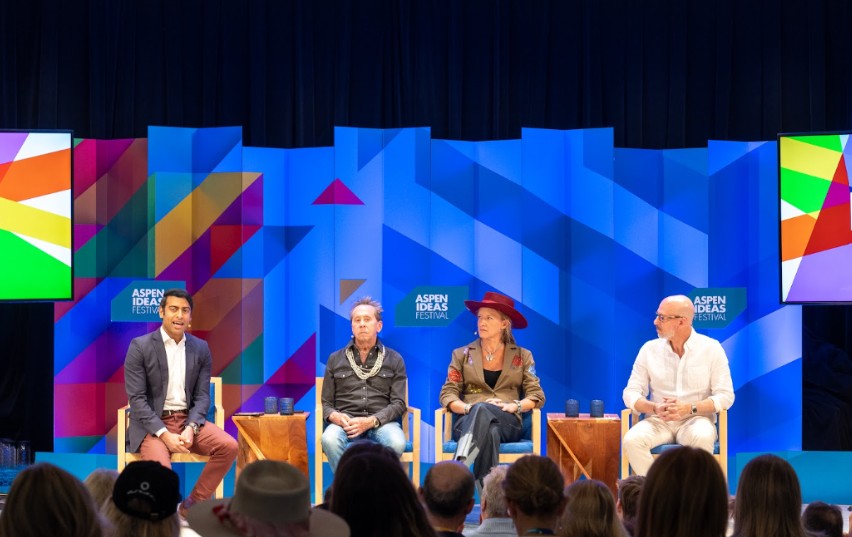

Aspen Ideas Festival, one of the country’s premier gatherings of leaders, creators and innovators, invited Bridge Entertainment Labs to lead a conversation on the craft and conscience of storytelling that connects a divided nation.
Together with Brian Grazer (Co-Chairman of Imagine Entertainment and Producer, A Beautiful Mind, Apollo 13, Friday Night Lights), Christina Voros (Director/Executive Producer of Yellowstone and The Madison), Oscar-winning documentary filmmaker Josh Seftel (All The Empty Rooms), and moderated by Steven Olikara (CEO, Bridge Entertainment Labs), we helped close out the Festival with an energetically powerful panel: “Building Bridges at the Box Office.”
Our panelists shared deeply moving, personal insights on why film and television remain our most potent tools for cultural bridge-building.
Below are some of our favorite moments:
On the Power of Storytelling to Connect Us to Each Other
Brian talked about the power of storytelling to show us our common humanity: “I’m only about working on universal themes, themes to create unity with other people so we demystify other people and other people’s problems.”
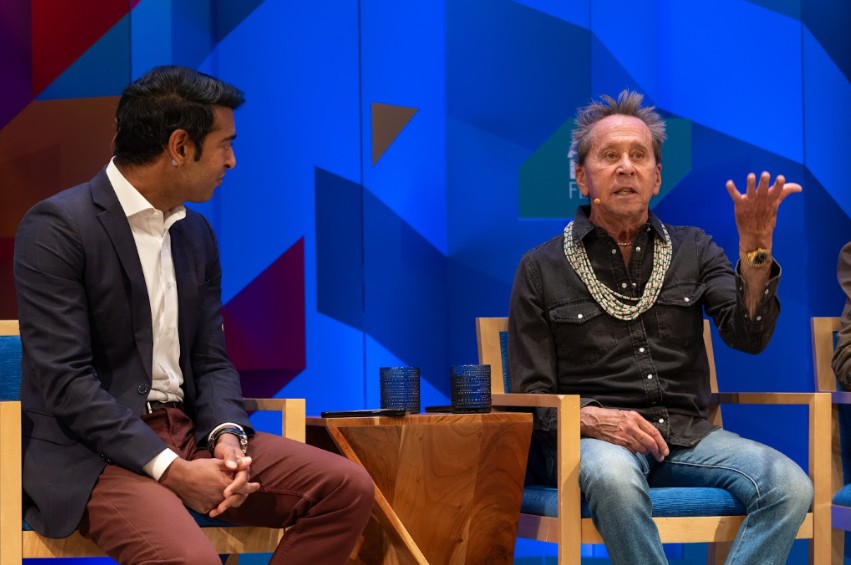
As Josh put it: “My view [as a filmmaker] is just simple. I just want people to understand each other. It’s not that hard to tell stories that help us understand each other.”
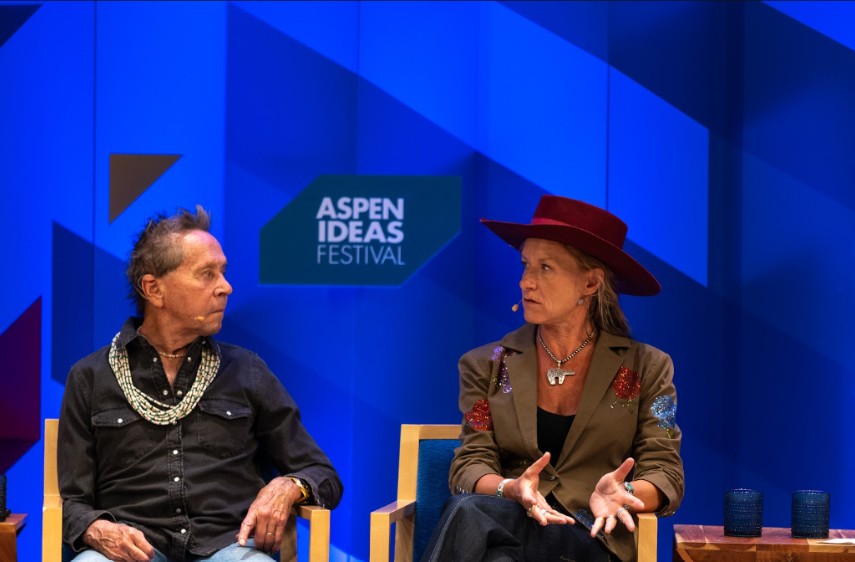
Christina spoke about how storytelling can help us to push back against what Steven calls the Division-Industrial Complex: “In a world that is constantly trying to pit us against each other … it becomes so important to explore the ways in which we are human before we are a Democrat or Republican.”
On Getting Out of Our Bubbles
As a “liberal chick from New York” who married a “cowboy from West Texas,” Christina spoke about the importance of shattering her personal echo chamber. “I am a living experiment of the way the boxes you check on a dating application don’t have to add up.”
On Creating Cross-Partisan Documentaries
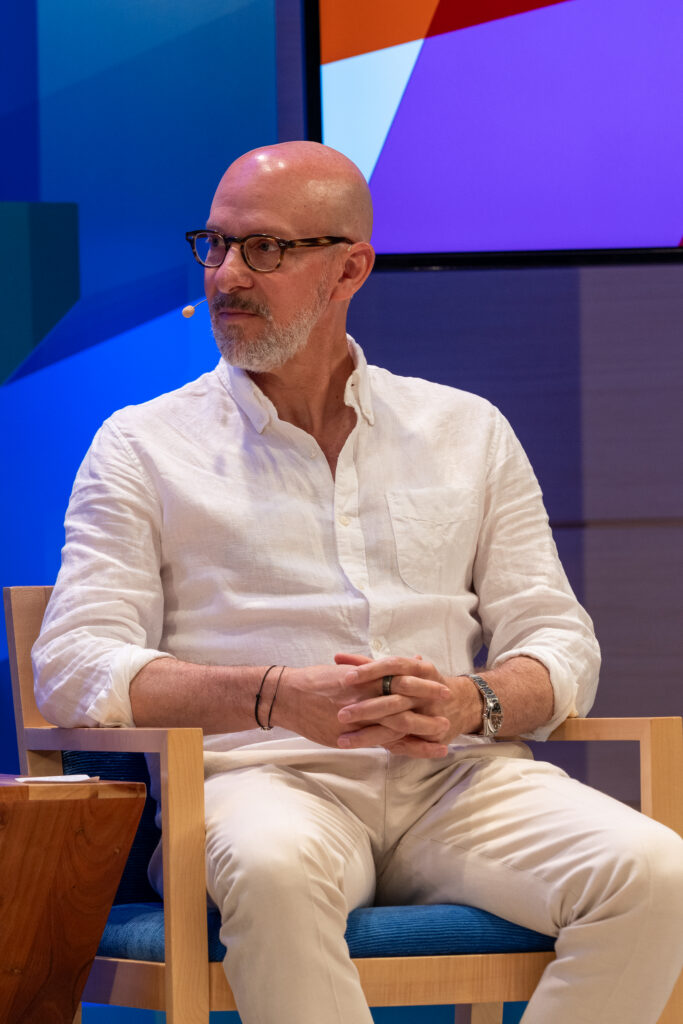
Josh spoke about his documentary All the Empty Rooms, which showed the empty bedrooms of children who had been killed in school shootings.
Unlike many gun documentaries, his film isn’t angry — by design. One reason: when you’re angry at your audience, they tend to check out. He asks rhetorically, “Is that [anger] the best way to tell the story, to reach people?”
Speaking about his Academy Award-nominated short Stranger at The Gate, Josh said, “we decided to do this … Trojan Horse kind of technique, where it feels like a true crime film, but at the end of the day, there’s no crime, and it’s just a story about how goodness can change the world. And maybe some people are disappointed when they get to the end because they thought they were going to see a true crime film, but I think most people feel really good.
On Making Space for the Viewer’s Own Interpretations
Christina spoke about the importance of not lecturing her audience.
“I think it’s important in storytelling to leave space for the audience to fill in some of the soul of it themselves. If you tell someone exactly how they’re supposed to feel, it’s very easy for them to reject that conversation.”
On Telling Positive Stories About America
Brian spoke about the importance of stories that highlight what’s good about America.
“We need to put in the good work telling stories that touch on American exceptionalism, reflecting on the opportunities this country has given us.”
On the Relationship Between Storytelling and Democracy
Steven Olikara brought it home by reminding the audience of the vital interplay between storytelling and democracy.
“It’s almost too perfect that America, a country founded on the principle of free expression, gave birth to the world’s greatest storytelling industry ever. And now, at a time when clearly our democracy is at an inflection point and ravaged by very deep divisions, it’s probably going to be the responsibility of storytellers to renew our democracy, by helping us truly see and understand each other.”
Our most resounding takeaway? The strongest bridges in America aren’t built by papering over our differences, but by having the courage to truly see who we are. The storytellers featured in this session demonstrate that storytelling that invites audiences to meet people with curiosity and nuance can also achieve both critical acclaim and commercial success.
Watch the full recording: